Fall Vegetable Planting: Counting Back to Mississippi Freeze Dates
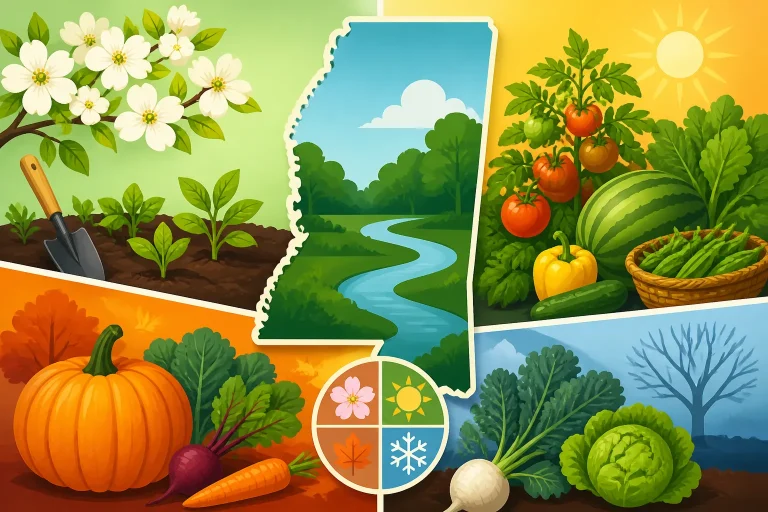
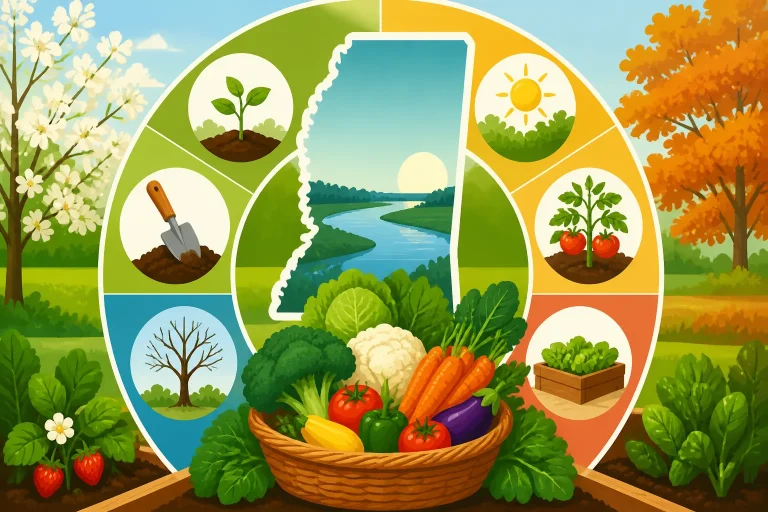
Fall planting in Mississippi is a timing problem: crops need enough growing time before cold weather, but the freeze date is not a guarantee. Count backward from a local freeze estimate using each crop’s maturity information, then adjust for your garden’s conditions. This approach helps you choose a realistic sowing window without treating one calendar date as certain.
Why freeze dates are a planning anchor, not a deadline
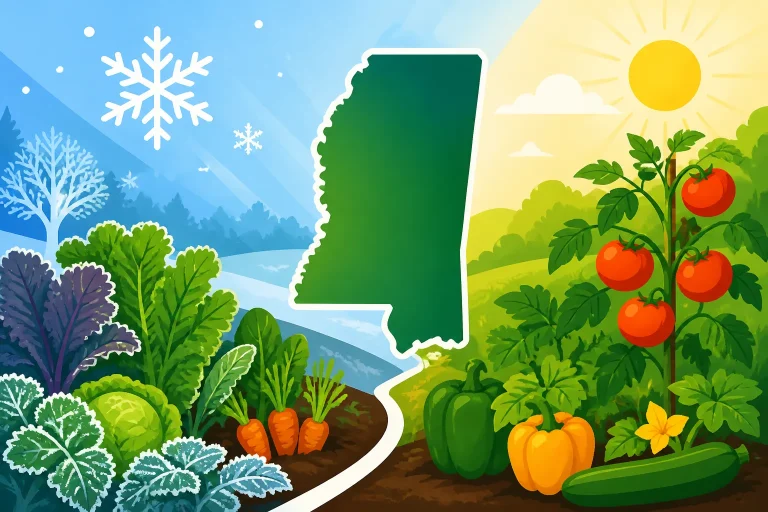
A fall freeze date helps you think about the end of the growing season, but it cannot promise that a particular night will be frost-free. The date is an estimate based on observations and probability. Actual weather can bring a cold snap earlier or later, and conditions can differ across Mississippi.
At the Jackson International Airport weather station in Mississippi, NOAA National Centers for Environmental Information gives the normal first fall freeze (32°F) at 50% probability as 11/14 (November 14) for the 1991–2020 period; the date varies from year to year. That figure describes a specific weather station, not every garden in the state. A location near the coast, in the Delta, or in a different part of the state should not simply adopt Jackson’s date as its own.
Even in the same community, a garden’s surroundings can influence how cold it gets. Low spots may collect cold air, while walls, pavement, tree cover, wind exposure, and nearby open ground can affect temperatures. Those local details do not replace a weather station’s records, but they help explain why a gardener may see frost before or after the broader forecast suggests.
It also helps to distinguish a frost from a freeze. The date in the NOAA fact is specifically for a first fall freeze at 32°F. A light frost can happen under conditions that do not match that threshold, while a freeze may damage tender plants even when a forecast location does not exactly match your bed. Crop sensitivity varies, too: a cool-season vegetable and a tender warm-season plant do not respond to cold in the same way.
Use a freeze estimate as a planning reference, then leave room for uncertainty. If you plan a fall crop so tightly that it must mature just before the estimated freeze, an early cold spell could interrupt harvest. If the crop has some flexibility, an earlier sowing or transplanting window can reduce that risk. The goal is not to predict the exact last harvest day; it is to give the crop a reasonable chance to grow and produce before cold weather becomes limiting.
For broader seasonal context, compare this approach with Mississippi Year-Round Vegetable Gardening Calendar by Month and Guide to Year-Round Mississippi Vegetable Planting Windows. For a closer look at how probability-based dates shape decisions, see Planning Fall Sowings Around Your Local First Hard Freeze.
How to count backward from a local freeze estimate
Start with the crop, not the calendar. Seed packets and transplant labels often give an estimated time to maturity or harvest. That information is the useful starting point for counting backward, but it is not a promise that the crop will finish on schedule. The estimate may assume favorable growing conditions, and fall weather can shift from warm to cool quickly.
For seed-grown crops, check whether the packet’s maturity estimate begins at sowing or after emergence. For transplants, check whether the stated timing refers to maturity after transplanting. Those details affect how you use the number. If you count from the wrong starting point, the sowing window you choose may be too late.
Then consider what “mature” means for the crop you want. Some vegetables can be harvested over a period, while others are valued for a particular head, root, or stage of development. A crop that produces usable leaves before reaching full size may still provide food after a cold spell, while a vegetable intended for a firm, fully developed head may need more uninterrupted growing time.
A practical calculation works like this in concept:
- Choose a local freeze estimate that is more relevant than a distant station when available.
- Check the maturity information for the variety and whether it applies to direct seeding or transplanting.
- Count backward from the expected harvest period, allowing additional time for slow emergence, transplant recovery, and fall growing conditions.
- Compare the resulting window with the crop’s recommended planting dates.
- If the window looks tight, select a faster-maturing option where available, begin with a transplant rather than seed, or choose a crop better suited to the remaining season.
The added time is a planning cushion, not a universal number. There is no single adjustment that fits every crop, site, or year. A seedbed that crusts, dries, or stays wet may delay emergence. A transplant that is stressed after setting out may pause before new growth. Cool, cloudy weather can also slow development compared with warm conditions. Use the crop’s own instructions and local guidance rather than applying an invented fixed buffer.
The estimate is also more useful when paired with the likely harvest window. If a crop can be picked gradually, you may begin harvesting before it reaches its largest size. If it must reach a particular stage to be worthwhile, plan around that stage instead of assuming the first possible harvest is the goal. This is especially important for crops that take a long time to develop.
Keep a simple record of sowing, emergence, transplanting, weather interruptions, and harvest. Notes from your own bed can help you judge whether a packet’s estimate matches your conditions. They can also reveal patterns: perhaps a shaded bed warms slowly, or a sunny exposed bed dries out quickly. The purpose is not to create a precise forecast, but to improve the next planting decision.
For a crop-specific approach to maturity estimates, see Checking Fall Crop Maturity Ahead of Your First Mississippi Frost. If you are choosing between direct sowing and setting out transplants, When to Set Out Spring Transplants Across Mississippi discusses transplant timing in another season; apply the same habit of checking the crop’s starting point and local conditions, rather than carrying over spring dates.
Match the countdown to the crop
Fall vegetables do not all need the same amount of time or respond to planting delays in the same way. Cool-season crops may handle cooler conditions better than tender summer crops, but that does not mean they can be planted whenever it becomes comfortable outside. Each crop has its own recommended window and development pace.
Broccoli is a useful example of why calendar recommendations matter. Mississippi State University Extension Service advises, “Do not delay planting past recommended dates.” Waiting for rainfall or for temperatures to cool may feel sensible, but a delay can leave the crop with less time to develop before cold weather. If the recommended window is approaching, use the crop guidance to decide whether to sow, transplant, or choose another vegetable rather than waiting for ideal conditions that may not arrive on time. More detail is available in Starting Fall Broccoli from Seed: Midsummer Sowing Across Mississippi.
Brussels sprouts call for a different planning mindset because they need an early start for a fall crop. Mississippi State University Extension Service recommends that gardeners “start plants in midsummer.” Work backward from your expected fall harvest and the crop’s development needs, then organize the seed-starting or transplant plan accordingly. Starting too late can shorten the period available for plants to establish and develop. See Starting Fall Brussels Sprouts in Midsummer for Mississippi Gardens for a focused discussion.
Other crops may be more flexible, but flexibility is not the same as unlimited time. Leafy vegetables, roots, and quick-growing crops can have different harvest stages, and a crop that tolerates cool weather may still need sufficient time to reach a useful size. A variety that matures quickly may fit a later planting window better than one with a longer maturity estimate. Check the variety information before making that choice.
A comparison table can help organize the decision. It does not replace planting recommendations for a specific crop or region; use it to identify what to check before sowing.
| Planning question | Why it matters | What to check |
|---|---|---|
| Is the crop direct-sown or transplanted? | The maturity estimate may start from a different point. | Seed packet, transplant information, and crop guidance |
| Does the crop need a long development period? | A late start may leave too little time before cold weather. | Days to maturity and recommended fall planting window |
| Can it be harvested before full size? | Partial or gradual harvest may give more flexibility. | Desired eating stage and crop-specific harvest advice |
| Is the planting window already passing? | Waiting for perfect conditions can reduce the time remaining. | Recommended dates and current bed conditions |
| Is the seedbed ready? | Poor moisture or soil conditions can delay establishment. | Drainage, soil moisture, and the crop’s sowing requirements |
| Is the plant sensitive to a freeze? | Cold may damage a crop before the expected harvest. | Crop tolerance and local freeze risk |
Do not assume that the same timing works statewide. Mississippi has varied local conditions, and a planting recommendation may be regional. If you are uncertain whether a date applies to your part of the state, check crop-specific Mississippi guidance rather than relying on a calendar written for another location. Vegetable Planting Windows Across Mississippi’s Five Areas offers a regional framing, while When to Plant Cool-Season Vegetables in Mississippi: Spring & Fall helps distinguish the broad cool-season window from an individual crop’s needs.
Adjust for weather, soil, and the garden itself
A backward count gives you a starting point. Before committing to the planting, look at the bed and the likely weather. A calendar date cannot tell you whether the soil is workable, whether the seedbed is drying out, or whether a recent rain has left the ground too wet for good establishment.
Moisture is an important part of fall sowing, but it should not become a reason to miss a recommended window. If the surface is dry, consider how you can prepare the bed and maintain suitable moisture after sowing. If the soil is saturated, planting into it can be a poor choice; wait until it is workable, while keeping the remaining crop-development time in view. The balance is between planting into reasonable conditions and avoiding unnecessary delay.
Heat can complicate early fall planting. A crop may be intended for cool weather but still need to establish while the ground and air remain warm. Check the crop’s guidance for the suitable window and provide appropriate care for the seedling or transplant. Do not assume that cooler-feeling evenings mean the bed has cooled enough, or that a hot afternoon means planting must be postponed beyond the recommended period.
Site exposure also changes how much confidence to place in a regional estimate. A bed in a low, exposed area may face different cold risk than one near a structure or among trees. A sheltered location can still have poor drainage or limited sunlight, so protection from wind is not automatically an advantage. Think about the full setting: light, airflow, drainage, and the way cold air may move through the yard.
For a later planting, be especially realistic about the crop’s remaining time. If the arithmetic leaves little room between the likely harvest period and freeze risk, consider alternatives rather than hoping for a long, mild autumn. You might choose a quicker crop, start with a healthy transplant, or grow a vegetable that can provide harvest at a smaller stage. The right choice depends on what you want to eat and what the bed can support.
It is also worth planning for an interruption. A cold spell can arrive before the expected freeze date, and rain or heat can delay growth earlier in the season. Keep supplies for basic protection available if you grow tender crops, but do not assume a cover makes every crop safe in every cold event. How to Protect Fall Vegetables from Sudden Mississippi Freezes explains the role and limitations of protection. For spring, Using Local Freeze Odds to Plan Safe Spring Garden Starts covers the same basic lesson: probability helps with planning, but it does not remove uncertainty.
If a crop’s recommended dates have passed, do not force the original plan simply because seeds are already on hand. Check whether a faster crop can still mature, whether a transplant is available, or whether the bed is better used for another purpose. An honest assessment of the remaining season is more useful than a late sowing that is unlikely to reach the harvest stage you want.
Build a fall planting plan you can revise
A good fall calendar is a working plan, not a fixed schedule. Start by listing the crops you want, the harvest stage you care about, and whether you plan to sow seed or set out transplants. Add the local freeze reference you are using, but mark it as an estimate. Then compare each crop’s maturity information and recommended planting window.
It helps to group crops by how you expect to harvest them. A vegetable that can be picked gradually may offer more flexibility than one that must reach a defined size. A crop intended for an early harvest may be a better fit for a late bed than a crop whose best quality depends on a longer growing period. This is not a guarantee that a late planting will succeed; it is a way to compare options honestly.
Plan the bed before the planting day. Remove spent plants and weeds, check that the soil drains adequately, and prepare a workable seedbed. If the bed is dry, have a way to maintain moisture as seeds germinate and seedlings establish. If the soil is too wet to work, avoid compacting it with repeated digging or foot traffic. Good preparation cannot replace suitable timing, but it can reduce avoidable delays after sowing.
For transplants, select plants that appear healthy and are appropriate for the season. Set them out according to crop guidance and give them conditions that support establishment. A transplant may provide a head start over seed, but it can still be set back by root disturbance, poor watering, or unsuitable weather. For direct-sown crops, pay attention to the seed depth and spacing instructions on the packet and keep the seedbed from drying out during germination.
Review the plan when conditions change. If the forecast suggests an early cold spell, prioritize crops that are close to harvest and consider whether protection is appropriate. If warm weather persists, maintain the care the crop needs while following its recommended planting window. If a storm delays preparation, reassess the maturity estimate instead of assuming the original harvest date still applies.
Record what actually happened. Write down when sowing took place, when seedlings emerged, whether transplants established quickly, and when harvest began. Add notes about unusually hot, dry, or wet conditions. These observations make next season’s planning more grounded in your own garden. They do not replace local recommendations, but they can help you interpret them.
Finally, keep the plan flexible enough to make a sensible substitution. If the timing no longer fits a long-season crop, a shorter-season vegetable may be the better use of the space. If a crop’s recommended window is still open, avoid holding back just because the weather is not perfect. Fall planting rewards timely decisions and realistic expectations more than rigid adherence to a single date.
Frequently Asked Questions
Can I use the Jackson freeze date for every Mississippi garden?
No. The NOAA figure comes from the Jackson International Airport weather station, so it is a reference for that station rather than a statewide date. Use locally relevant information where available and consider how your yard’s exposure and elevation affect cold risk.
Should I wait for cooler weather before planting fall broccoli?
Mississippi State University Extension Service advises against delaying broccoli beyond its recommended planting dates. Check the crop guidance and plan around the remaining growing time instead of waiting indefinitely for temperatures to fall.
When should I start Brussels sprouts for a fall crop?
Mississippi State University Extension Service recommends starting Brussels sprout plants in midsummer. Check the crop’s specific guidance and maturity information to plan the growing period for your location.
What if I missed the recommended planting window?
Check whether a quicker-maturing crop, a transplant, or a different harvest stage is still realistic. If the remaining season is too short, choosing another crop can be more practical than planting one that is unlikely to mature.
Sources
- Mississippi State University Extension Service — Broccoli | Mississippi State University Extension Service (checked November 15, 2026)
- Mississippi State University Extension Service — Brussels Sprouts | Mississippi State University Extension Service (checked November 15, 2026)
- NOAA National Centers for Environmental Information — NOAA NCEI 1991–2020 Climate Normals — Jackson International Airport, Mississippi (checked November 14, 2026)
Disclaimer
This article is for general informational purposes only and does not constitute professional advice. Laws, prices and regulations vary by location and change over time. Consult a qualified professional for guidance on your specific situation. Mississippi Gardening Guide is not a government agency and is not affiliated with any university extension, state department of agriculture or other government agency.